
Quality Control in Paint Manufacturing: Why It Matters in the Nigerian Market

When a paint product fails, the cause is rarely obvious at the point of application. The real issues often trace back to lapses in material verification, process monitoring, or batch testing. In paint manufacturing, quality control is the discipline that ensures problems are detected, corrected, and prevented before products reach the customer.
In Nigeria’s demanding construction and industrial environment, characterized by high humidity, elevated temperatures, variable substrates, and diverse application practices, quality control plays a critical role in safeguarding product performance and brand credibility.
This article examines the role of quality control in paint manufacturing within the Nigerian context, highlighting key control points, testing practices, and the strategic importance of the Quality Control Analyst in ensuring consistent, reliable paint performance.
- 1. Understanding Quality Control in Paint Manufacturing
- 2. Core Quality Control Principles
- 3. Quality Control Practices in Paint Manufacturing
- 4. Quality Control in the Nigerian Manufacturing Environment
- 5. Standards and Regulatory Oversight
- 6. The Role of the Quality Control Analyst
- 7. Conclusion: Quality Control as a Strategic Advantage
1. Understanding Quality Control in Paint Manufacturing
Quality control (QC) refers to the operational techniques and activities used to verify that paint products meet defined specifications and performance standards. Unlike quality assurance, which focuses on systems and preventive frameworks, quality control is execution-driven, relying on inspection, measurement, testing, and corrective action.
In paint manufacturing, quality control operates at multiple stages: raw material intake, in-process production, finished product evaluation, and post-market performance monitoring. This ensures conformity at every critical point.
2. Core Quality Control Principles
Specification Compliance
All materials and finished products must conform strictly to approved specifications. Deviations outside tolerance limits trigger corrective action or rejection.
Process Monitoring
Quality control requires continuous monitoring of key production parameters such as temperature, mixing speed, grind fineness, viscosity, and density in order to detect inconsistencies in real time.
Data-Driven Decision Making
Batch release decisions are based on documented test results rather than assumptions, ensuring traceability and accountability.
Corrective and Preventive Action
Quality control findings inform immediate corrections as well as long-term preventive improvements within the production process.
3. Quality Control Practices in Paint Manufacturing
Raw Material Inspection and Testing
Incoming pigments, resins, solvents, additives, and extenders are tested to confirm compliance with approved quality parameters. Typical tests include particle size distribution, oil absorption, viscosity, purity, moisture content, and compatibility assessments.
In-Process Quality Control
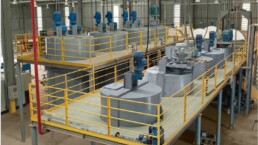
Key production stages—premixing, dispersion, stabilization, and let-down—are closely monitored. Critical parameters such as temperature, mixing speed, grind fineness, viscosity, and density are measured to ensure formulation integrity.
Finished Product Testing
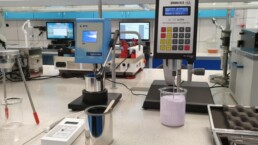
Before batch release, finished paints undergo laboratory testing to verify viscosity tolerance, gloss level, drying time, specific gravity, colour consistency, and VOC compliance.
4. Quality Control in the Nigerian Manufacturing Environment
Paint performance in Nigeria is influenced by environmental and application-specific factors that demand rigorous quality control.
Climate Sensitivity
High humidity and elevated temperatures increase the risk of microbial growth, viscosity drift, emulsion instability, and storage degradation. Quality control testing must therefore reflect real storage, transport, and site conditions.
Substrate Variability
Common substrates such as cement blocks, plastered walls, screed floors, steel, aluminium, and wood present distinct adhesion and durability challenges that must be evaluated during QC testing.
Field Performance Feedback
Quality control does not end in the laboratory. Site inspections, contractor feedback, complaint analysis, and warranty tracking provide critical data for performance validation and continuous improvement.
5. Standards and Regulatory Oversight
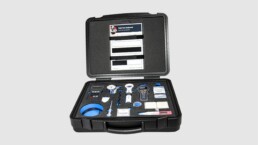
Quality control activities are guided by internationally recognised standards such as ASTM testing methods, ISO-related product requirements, and AMPP coating inspection practices.
In Nigeria, regulatory oversight from the Standards Organisation of Nigeria (SON), NAFDAC (where applicable), NESREA, and Factory Act provisions ensures product safety, environmental responsibility, and regulatory compliance.
6. The Role of the Quality Control Analyst
The Quality Control Analyst is responsible for executing and enforcing quality control protocols across production operations. Key responsibilities include raw material approval, in-process monitoring, laboratory testing, batch release authorisation, complaint investigation, documentation, and collaboration with production and R&D teams.
In the Nigerian paint manufacturing sector, this role directly influences product reliability, regulatory compliance, and customer trust.
7. Conclusion: Quality Control as a Strategic Advantage
In Nigeria’s competitive paint manufacturing landscape, quality control is not merely a technical requirement—it is a strategic business function. Effective QC systems ensure consistent product performance, reduce rework and waste, support compliance, and protect brand reputation.
When quality control is treated as a core operational discipline rather than an afterthought, manufacturers are better positioned to deliver durable, reliable coatings that perform under real-world conditions.
About Ignite Paints: Your Trusted Partner for Quality Finishes
Overall, understanding how much is paint in nigeria should be a priority for anyone looking to build.
At Ignite Paints, we do more than just sell paint—we help you bring your dream projects to life with products that are innovative, durable, and eco-conscious. Whether you’re roofing a new home or upgrading a commercial space, we offer:
Weatherproof Exterior Paints
Premium Interior Emulsions
Industrial Coatings
Technical Consultations and On-Site Evaluations
Custom Colour Matching
Low-VOC, Sustainable Paints
As a trusted paint manufacturer in Lagos, we work with contractors, architects, developers, and homeowners across Nigeria to ensure your building is beautiful, protected, and built to last.
Book a Consultation Today
Not sure which roofing sheet or paint system best fits your project? We’ll walk you through the best combinations for your roofing and finishing needs, recommend budget-friendly solutions, and ensure your structure stands out and stands the test of time. Call us or visit Ignite Paints to book your appointment today. Your perfect finish starts with the right conversation.
Consequently, knowing how much is cement in nigeria can save you money and ensure your project’s success.