How Much Does It Cost to Paint a House in Nigeria in 2026? (Updated Price Guide)

At Ignite Paints, we know that a fresh coat of paint can completely transform your home but getting it right starts with knowing the cost. Whether you’re painting a new property or giving your old walls a facelift, having a clear and realistic budget in 2026 is essential.
However, before you begin any painting project, one question comes up more than any other:
“How much will it cost to paint my house in Nigeria in 2026?”
With the rising cost of building materials and labour, having an accurate budget has never been more important. Whether you’re painting a newly built home, renovating an existing property, or refreshing your commercial building, understanding current paint prices and labour costs will help you make informed decisions and avoid unnecessary expenses.
In this comprehensive guide, we’ll break down the latest painting costs in Nigeria for 2026, including paint prices, labour charges, accessories, budgeting tips, and frequently asked questions.
Whether you’re in Lagos, Abuja, Port Harcourt, Kano, or anywhere else in Nigeria, this guide will help you plan your next painting project with confidence.
Key Factors That Influence Painting Costs
Every painting project is unique. Several factors determine the overall cost of painting a house in Nigeria.
1. Location
Your location significantly affects labour costs. Painters in cities such as Lagos and Abuja generally charge higher rates because of increased demand and the higher cost of living. Labour tends to be more affordable in smaller cities and towns.
2. Property Size
The larger your property, the more paint, labour, and preparation work will be required.
For example:
- A 2-bedroom flat costs considerably less to paint than a 4-bedroom duplex.
- Homes with high ceilings or complex architectural designs require additional labour and materials.
3. Type of Paint
The quality and type of paint you choose play a major role in your total budget.
Standard emulsion paints are generally more affordable, while premium washable emulsions, textured coatings, and weatherproof exterior paints command higher prices but offer better durability and coverage.
4. Wall Condition
Walls with cracks, peeling paint, dampness, mould, or uneven surfaces require additional preparation before painting.
Surface repairs may include:
- Filling cracks
- Sanding
- Priming
- Waterproofing
- Skimming
These additional processes increase labour and material costs but are essential for achieving a long-lasting finish.
5. Economic Factors
The prices of paint products continue to fluctuate due to inflation, exchange rates, transportation costs, and the prices of imported raw materials used in paint manufacturing.
For this reason, it is advisable to request current quotations before beginning your project.
2026 Price List for Painting Materials and Labour
Below are the estimated market prices for painting materials and labour across Nigeria in 2026.
1. Price of Paint (20-Litre Bucket)
| Paint Type | Recommended Use | Estimated Price (₦) |
| Standard Emulsion Paint | Interior & exterior walls | 18,000 – 30,000 |
| Anti-Mildew Emulsion | Humid environments | 24,000 – 35,000 |
| Premium Washable Emulsion | Luxury interior walls | 35,000 – 60,000 |
| Gloss Paint | Doors, windows & metal surfaces | 30,000 – 48,000 |
| Textured Paint | Exterior decorative finishes | 35,000 – 60,000 |
| Primer | Base coat for new or unpainted surfaces | 12,000 – 18,000 |
Note: Prices vary depending on the manufacturer, colour, finish, location, and market conditions.
2. Cost of Hiring a Professional Painter
| Location | Average Daily Labour Cost (₦) |
| Lagos | 12,000 – 25,000 |
| Abuja | 10,000 – 18,000 |
| Port Harcourt | 10,000 – 22,000 |
| Kano | 6,000 – 12,000 |
For larger residential or commercial projects, many professional painters now charge per square metre, with rates typically ranging between ₦600 and ₦1,800 per square metre, depending on the complexity of the project.
3. Cost of Painting Accessories
Besides paint and labour, you’ll need the following materials:
| Item | Estimated Cost (₦) |
| Paint Roller & Brush Set | 4,000 – 10,000 |
| Primer (4 Litres) | 4,000 – 8,000 |
| Drop Cloths | 4,000 – 10,000 |
| Masking Tape | 1,500 – 4,000 |
| Sandpaper | 1,500 – 3,000 |
| Paint Tray | 2,000 – 5,000 |
| Scaffolding Rental (Daily) | 7,000 – 20,000 |
Estimated Total Painting Cost by House Type
To help you budget more effectively, here are estimated costs for painting different property types.
| Property Type | Estimated Total Cost (₦) |
| 2-Bedroom Flat | 300,000 – 500,000 |
| 3-Bedroom Bungalow | 500,000 – 900,000 |
| 4-Bedroom Duplex | 1.5 million and above |
Please note: These estimates cover the main building only and exclude fencing or large exterior areas.
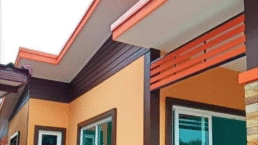
Smart Ways to Reduce Your Painting Budget
Painting doesn’t have to drain your wallet. Here are some cost-saving tips from the experts at Ignite Paints:
1. Invest in High-Quality Paint: High-coverage paints (like anti-mildew options for coastal regions) may cost more initially but last longer and reduce the need for frequent repainting.
2. Paint During the Dry Season: The dry season, typically between November and March, provides ideal weather conditions for painting. Paint dries faster and cures more effectively.
3. Do Basic Prep Work Yourself: Moving furniture, cleaning walls, or scraping off loose paint can lower labour costs.
4. Request a Detailed Quotation: Before starting, agree on scope, pricing, and timeline with your painter.
5. Test Colours Before Buying: Paint colours often appear different under natural and artificial lighting. Testing a small sample helps you avoid expensive mistakes.
6. Buy Directly from Trusted Manufacturers: Purchasing directly from reputable manufacturers like Ignite Paints helps you avoid counterfeit products while ensuring quality, durability, and professional support.
Frequently Asked Questions (FAQ)
1. What is the average cost of painting a 3-bedroom house in Nigeria in 2026? Most homeowners should budget between ₦500,000 and ₦900,000, depending on paint quality, labour rates, wall condition, and location.
2. How many 20-litre buckets of paint are needed for a 3-bedroom bungalow?A standard 3-bedroom bungalow typically requires 16 to 20 buckets for complete interior and exterior painting. The exact quantity depends on wall size, ceiling height, paint coverage, and the number of coats required.
3. How can I reduce painting costs in Lagos? You can lower your overall costs by:
- Purchasing quality paint directly from trusted manufacturers.
- Do light prep work yourself
- Painting during the dry season.
- Choosing paints with higher coverage to reduce material usage.
4. Where can I buy quality paint in Nigeria? Always purchase paint from reputable manufacturers or authorised dealers to ensure authenticity, durability, and expert advice.
Ignite Paints offers premium interior paints, weather-resistant exterior coatings, waterproofing systems, textured finishes, industrial coatings, and custom colour solutions designed specifically for Nigerian weather conditions.
Final Thoughts
Painting remains one of the most affordable ways to transform and protect your property.
In 2026, rising material and labour costs make proper planning more important than ever. Understanding paint prices, labour costs, and the right products for your project helps you avoid unnecessary expenses while achieving a finish that lasts for years.
Choosing premium-quality paint may cost more initially, but it significantly reduces maintenance, protects your building from harsh weather conditions, and delivers superior long-term value.
Before beginning your next painting project, develop a realistic budget, work with experienced professionals, and invest in products you can trust.
About Ignite Paints: Your Trusted Partner for Quality Finishes
Overall, understanding how much is paint in nigeria should be a priority for anyone looking to build.
At Ignite Paints, we do more than just sell paint—we help you bring your dream projects to life with products that are innovative, durable, and eco-conscious. Whether you’re roofing a new home or upgrading a commercial space, we offer:
Weatherproof Exterior Paints
Premium Interior Emulsions
Industrial Coatings
Technical Consultations and On-Site Evaluations
Custom Colour Matching
Low-VOC, Sustainable Paints
As a trusted paint manufacturer in Lagos, we work with contractors, architects, developers, and homeowners across Nigeria to ensure your building is beautiful, protected, and built to last.
Book a Consultation Today
Not sure which roofing sheet or paint system best fits your project? We’ll walk you through the best combinations for your roofing and finishing needs, recommend budget-friendly solutions, and ensure your structure stands out and stands the test of time. Call us or visit Ignite Paints to book your appointment today. Your perfect finish starts with the right conversation.
Consequently, knowing how much is cement in nigeria can save you money and ensure your project’s success.
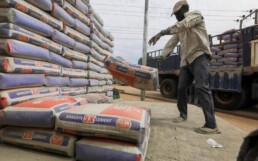
How Much Is a Bag of Cement in Nigeria? (2026 Updated Price Guide)
In Nigeria today, cement remains the backbone of virtually every construction project—from laying foundations to casting concrete, plastering walls, and completing structural works. Whether you’re building a new home, renovating an existing property, or managing a commercial project, knowing the current price of cement is essential for proper planning.
With changes in production costs, transportation expenses, inflation, and demand, cement prices continue to fluctuate across the country. Understanding these price movements can help you budget accurately and avoid unexpected costs during your building project.
In this guide, we’ll cover the latest cement prices in Nigeria for 2026, the factors affecting those prices, money-saving tips, and answers to the questions builders ask most frequently.
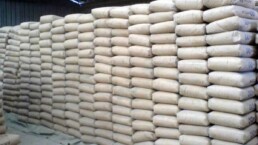
Most Recent Price of Cement in Nigeria (2026)
The retail price of a standard 50kg bag of cement varies depending on the manufacturer, your location, and whether you’re buying retail or wholesale.
Generally, buyers in major cities such as Lagos, Abuja, Port Harcourt, and Ibadan may pay slightly higher prices than those in areas closer to manufacturing plants or major distributors.
Prices may also vary based on transportation costs, dealer margins, and market demand.
Current Cement Prices by Brand
| Brand | Estimated Retail Price (50kg Bag) |
| Dangote Cement | #11,000 – #13,000 |
| BUA Cement | #10,500 – #12,500 |
| Lafarge (Elephant/Ashaka) | #10,500 – #12,000 |
| Ibeto Cement | #9,500 – #11,000 |
In cities like Lagos, Abuja, and Port Harcourt, expect prices to lean toward the higher side. In more remote or harder-to-reach regions, prices may climb slightly due to transportation challenges and limited supply. Bulk purchases usually attract discounts.
What’s Driving the Price Hike?
The prices we’re seeing in 2026 are the result of several economic factors affecting Nigeria’s construction industry.
- To begin with, production costs have continued to rise. Cement manufacturing depends heavily on electricity, natural gas, and diesel, all of which have become more expensive. When production costs increase, manufacturers often adjust their prices accordingly.
- Transportation is another major factor. Rising fuel prices, poor road networks, and higher logistics costs make it more expensive to transport cement from factories to distributors and construction sites nationwide.
- Exchange rate fluctuations have also played a role. Although cement is produced locally, manufacturers still import some machinery, spare parts, and production materials. A weaker naira increases the cost of these imports, which can affect the final selling price.
- Demand for cement remains strong as residential, commercial, and infrastructure projects continue across Nigeria. During peak construction periods, especially the dry season, increased demand can place additional pressure on supply and push prices higher.
Overall, while prices may vary slightly depending on your location and the brand you choose, understanding these market trends can help you plan your building project more effectively and budget with greater confidence.
Looking for a Better Deal?
Here’s What Works
With construction costs continuing to rise in 2026, many Nigerians are looking for practical ways to reduce building expenses without sacrificing quality. If you’re hoping to save money on cement, here are a few smart strategies to consider:
- Buy in bulk. Purchasing larger quantities especially trailer-load orders can help you secure lower prices from manufacturers and major distributors.
- Work with authorized distributors. Factory-approved dealers are more likely to offer genuine products at competitive prices, reducing the risk of buying counterfeit or overpriced cement.
- Compare prices before you buy. Cement prices can vary between suppliers and locations. Getting quotes from multiple dealers can help you find the best value for your money.
- Buy at the right time. Prices often increase during the peak building season, particularly in the dry months when construction activity is highest. Buying ahead of demand or during quieter periods may help you save.
- Plan your purchases early. If you’re starting a large project, purchasing your cement before expected price increases can help you lock in better rates and keep your budget on track.
What the Rest of 2026 Could Look Like
While cement prices may continue to fluctuate throughout 2026, most industry observers expect them to remain relatively firm. Ongoing inflation, energy costs, transportation expenses, and exchange rate fluctuations are likely to keep prices elevated, making a significant drop in the near future unlikely.
That said, increased local production, improved distribution networks, and government policies aimed at supporting the manufacturing sector could help stabilize prices if economic conditions improve later in the year.
Smart Planning Starts with Good Information
When planning any construction project, cement is one of the first materials you should budget for. Knowing the current market price allows you to estimate costs more accurately and avoid unexpected expenses during construction.
Based on current market trends, most retail buyers should expect to pay between ₦10,000 and ₦13,000 per 50kg bag, depending on the brand and location. Buyers purchasing in bulk directly from authorized distributors or manufacturers may secure more competitive rates, particularly for large residential or commercial projects.
Planning ahead, comparing prices from multiple suppliers, and buying from reputable dealers are some of the best ways to keep your project on budget while ensuring you get genuine, high-quality cement.
Frequently Asked Questions
1. What is the average price of a bag of cement in Nigeria in 2026?
As of 2026, the average retail price of a 50kg bag of cement in Nigeria ranges between ₦10,000 and ₦13,000, depending on the brand, your location, and market conditions. For example, Dangote Cement typically sells for ₦11,000–₦13,000, while BUA, Lafarge, and Ibeto Cement generally range between ₦9,500 and ₦12,500. Buyers purchasing in bulk from authorized distributors may enjoy lower prices.2. Are wholesale rates more affordable?
Yes. Buying in bulk generally reduces the cost per bag and can significantly lower the total cost of large construction projects.3. Why are prices higher in cities like Lagos and Abuja?
Higher transportation costs, increased demand, and greater operating expenses contribute to higher retail prices in major cities.4. Where can I track cement prices regularly?
You can check prices through authorized distributors, major building material markets, manufacturers’ sales outlets, and reputable construction industry publications.
About Ignite Paints: Your Trusted Partner for Quality Finishes
Overall, understanding how much is cement in nigeria should be a priority for anyone looking to build.
At Ignite Paints, we do more than just sell paint—we help you bring your dream projects to life with products that are innovative, durable, and eco-conscious. Whether you’re roofing a new home or upgrading a commercial space, we offer:
Weatherproof Exterior Paints
Premium Interior Emulsions
Industrial Coatings
Technical Consultations and On-Site Evaluations
Custom Colour Matching
Low-VOC, Sustainable Paints
As a trusted paint manufacturer in Lagos, we work with contractors, architects, developers, and homeowners across Nigeria to ensure your building is beautiful, protected, and built to last.
Book a Consultation Today
Not sure which roofing sheet or paint system best fits your project? We’ll walk you through the best combinations for your roofing and finishing needs, recommend budget-friendly solutions, and ensure your structure stands out and stands the test of time. Call us or visit Ignite Paints to book your appointment today. Your perfect finish starts with the right conversation.
Consequently, knowing how much is cement in nigeria can save you money and ensure your project’s success.